All / April 15, 2023
Which Types of Shipping Containers Are Best for General Cargo?
Shipping containers play a crucial role in global trade, ensuring the efficient and safe transportation of goods across long distances.
When it comes to shipping general cargo, selecting the right type of container is essential. Different cargo types require different structures, access points, internal conditions and handling methods.
Dry van and high cube containers
Dry van containers are the most common option for general cargo such as machinery, equipment, consumer goods, textiles and packaged products. High cube containers add extra vertical space for light but bulky goods.
Open-top, flat rack and platform containers
Open-top containers support cargo loaded from above, while flat rack and platform containers help move heavy machinery, vehicles, pipes, construction materials and oversized cargo.
Reefer, insulated and ventilated containers
Temperature-sensitive goods may require reefer or insulated equipment. Ventilated containers support products that need airflow, including selected perishables and cargo vulnerable to moisture build-up.
Specialized containers
Tank containers, garment containers, car carriers and open-side containers are used when cargo has specific handling, access or safety requirements.
All / April 15, 2023
Freight Forwarding Tips for 2022
As global logistics continues to evolve, freight forwarding remains critical to the smooth movement of goods across borders.
Freight teams need practical systems for technology adoption, sustainability, supply chain visibility, regulatory compliance and customer communication.
Embrace technology integration
Transportation management systems, warehouse management systems, automation and analytics can reduce manual errors, improve shipment visibility and make operational decisions more precise.
Enhance supply chain visibility
Real-time shipment monitoring, track-and-trace tools and clearer customer updates reduce uncertainty and help teams respond before delays become expensive problems.
Stay compliant with regulations
Trade regulations change frequently. Strong documentation processes, customs support and compliance awareness help protect cargo movement from delays and penalties.
Prioritize customer experience
Transparent communication, timely updates and proactive problem-solving build long-term confidence between freight partners and their customers.
All / April 15, 2023
How e-Commerce Is Impacting Freight Forwarding
In recent years, the world has witnessed a remarkable rise in e-commerce, transforming the way people buy and sell goods. The Middle East is no exception to this global trend.
With the increasing popularity of online shopping, the freight forwarding industry in the region is experiencing significant changes and challenges. More businesses and consumers now expect reliable transportation, sharper communication, and timely delivery of goods.
Increased demand for efficient logistics
The surge in e-commerce has created higher demand for efficient logistics solutions in the Middle East. Freight forwarding companies bridge the gap between sellers and buyers by coordinating seamless transportation and delivery.
Changing consumer expectations
Customers now expect faster shipping times, flexible delivery options, and real-time tracking. This raises the standard for transparent, customer-centric logistics solutions.
Integration of technology
Automated order processing, warehouse management systems, and track-and-trace tools streamline operations and help customers follow shipments from origin to destination.
Last-mile delivery challenges
The final leg of delivery can be difficult because of traffic congestion, address formats, and limited infrastructure. Regional expertise and controlled documentation help reduce risk.
All / April 15, 2023
The Advantages of Using a Freight Forwarder
In today's globalized world, efficient logistics management is crucial for businesses involved in international trade.
Freight forwarders simplify the complexity of moving goods across borders by coordinating carriers, customs requirements, documentation, warehousing, insurance options and final delivery.
Expertise and industry knowledge
Forwarders understand international shipping routes, documentation requirements, customs regulations and the operational details that protect shipments from unnecessary delays.
Efficient shipping solutions
Carrier relationships, cargo consolidation and multimodal planning help businesses secure practical routing and manage costs without losing operational control.
Streamlined documentation
Commercial invoices, packing lists, certificates of origin and customs paperwork can be handled with greater consistency by a specialist logistics partner.
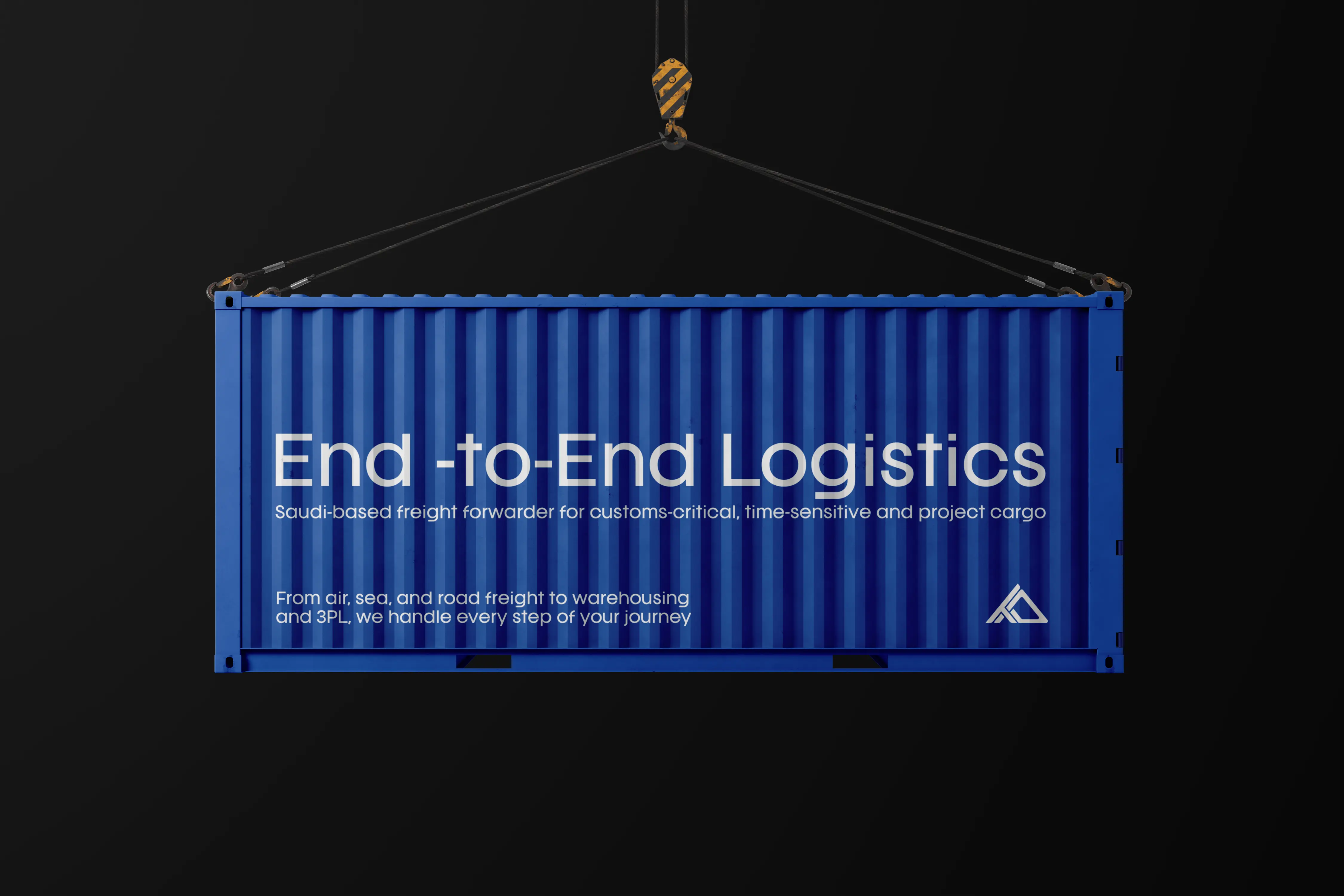
End-to-end logistics management
From shipment planning to delivery, a freight forwarder gives businesses one point of coordination across movement, storage, insurance and tracking.